








Historical & Distribution
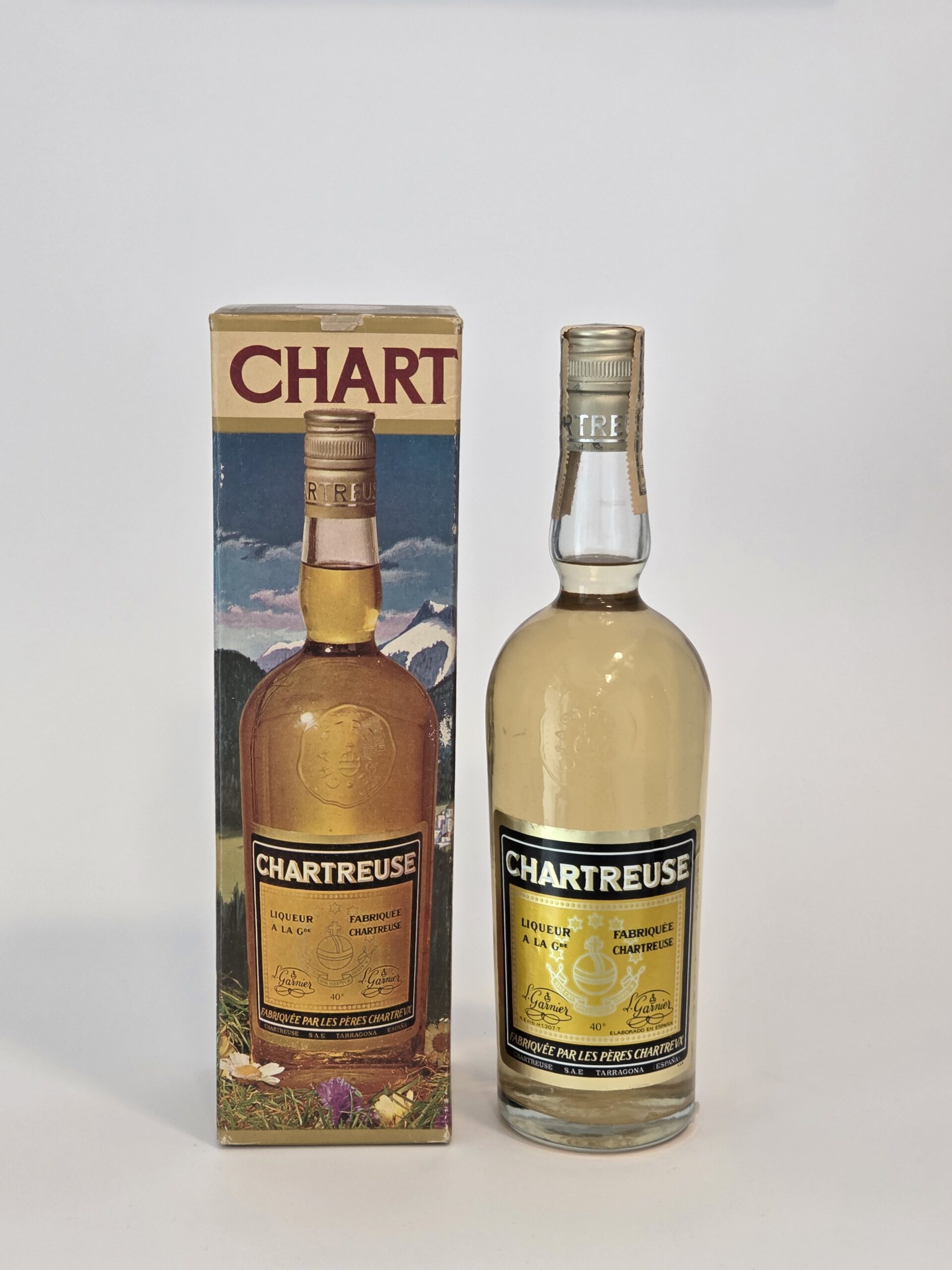
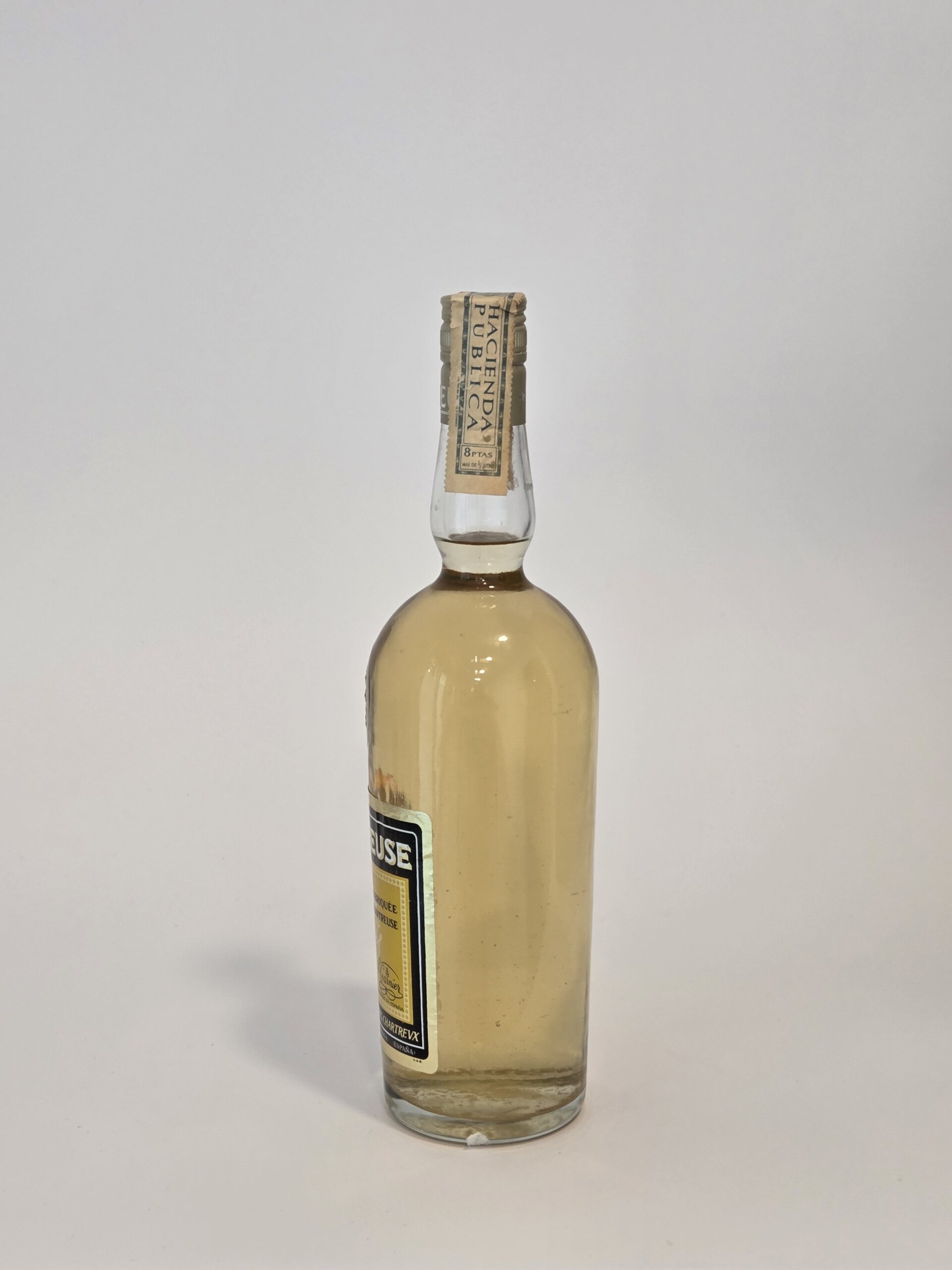
The Chartreuse distillery in Tarragona marked a major historical milestone for the Spanish city. After being exiled from France, the Carthusian monks settled in Tarragona at the end of the 19th century. The distillery operated from the emblematic Plaça dels Infants from 1903 until its definitive closure in 1989.
The evolution of its principal markets can be divided into three key stages:
1. The Global Export Market (1903 – 1930s)
After being expelled from France in 1903, the Tarragona factory became the only official Chartreuse distillery operated by the Carthusian monks in the world. During this period, production was not intended for local consumption, but rather to fill the legal and commercial void left in its major historical markets.
- France: The main destination. The liqueur was shipped from Tarragona with a double label so that French customers could identify it as the authentic Carthusian distillate, rather than the imitation product sold by the French government at the time.
- England, Russia and the United States: Long-established export markets dating back to the 19th century, entirely supplied through shipments departing from the Port of Tarragona.
2. Expansion Towards the American Market (1940s – 1950s)
Following the partial return of the monks to France during the 1930s, the Tarragona distillery redirected part of its production towards the American continent. Particular efforts were made to supply Latin American countries and the Hispanic market in the United States, leading to a decade of steady exports across the Americas.
3. Refocus on the Local and National Market (1970s – 1989)
During its final decades, the commercial strategy of Chartreuse SAE — the Spanish subsidiary responsible for distribution — changed completely.
- Tarragona and Catalonia: Consumption became increasingly concentrated within the regional market. Chartreuse evolved from a global export product into a deeply rooted local liqueur, widely consumed in homes, bars and restaurants throughout the province of Tarragona.
- The Final Decline: During the 1980s, a widespread crisis in the liqueur industry affected its three remaining historical markets simultaneously: Spain, France and the United States. Falling demand, combined with new taxation policies, ultimately led to the definitive closure of the Tarragona distillery in 1989.